

Advancing Business and Engineering Insight Through Computational Modeling and Data Analytics
Transforming Your Toughest Questions Into Clear, Data‑Driven Answers
MODEL. SIMULATE. DISCOVER.
The Power of Computational Science Tailored to Your Unique Needs
Business Development
We help businesses integrate advanced computational solutions into everyday decision workflows, improving efficiency, reducing costs, and facilitating strategic choices. Our clients gain confidence knowing their decisions are supported by both insights and rigorous data science.
Engineering Design
We help scientists and engineers advance their designs by building custom simulation models that test concepts in a virtual environment. By evaluating design variations within a single model, we reduce repetitive trial‑and‑error and streamline the development process.
Our Solutions

Spreadsheets
Now Available
Creating, organizing, and analyzing data in tabular format to perform calculations, visualize patterns, and manage data easily.

Statistical Analysis
Now Available
Applying statistical methods and predictive modeling to uncover patterns, answer key questions, and forecast outcomes.

Machine Learning
Now Available
Using established algorithms that learn from data to build predictive models and support integrated decision making.

Deep Learning
Coming Soon
Utilizing large and complex data sets with neural networks to identify relevant key features and actionable insights.
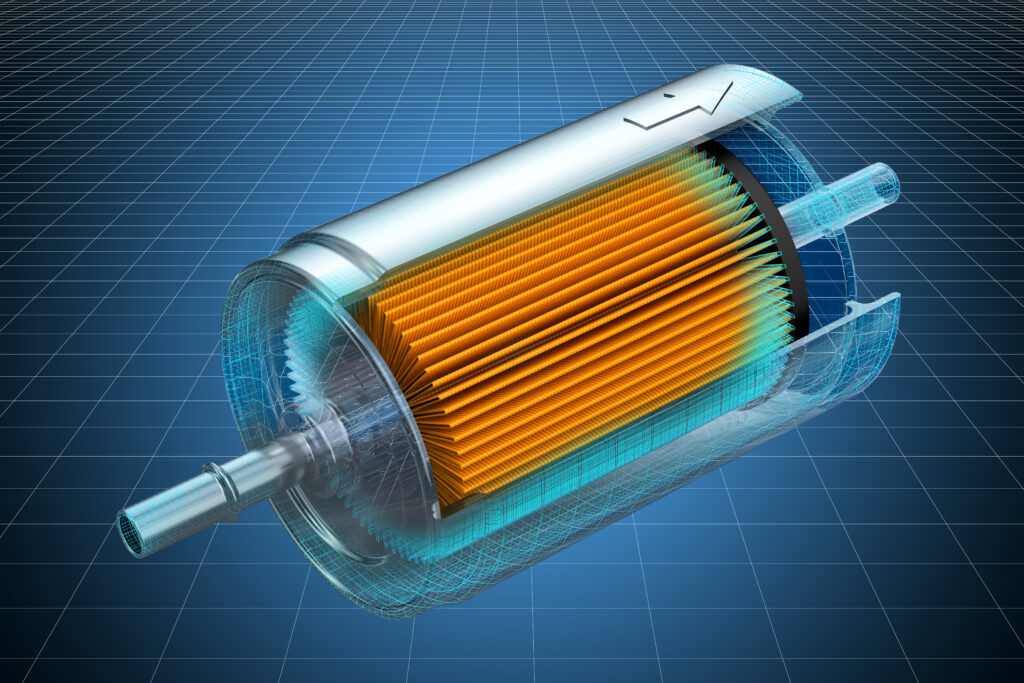
Computer Aided Design
Coming Soon
Using industry leading software to create 2D or 3D designs of products or processes for use in manufacturing or FEM analysis.
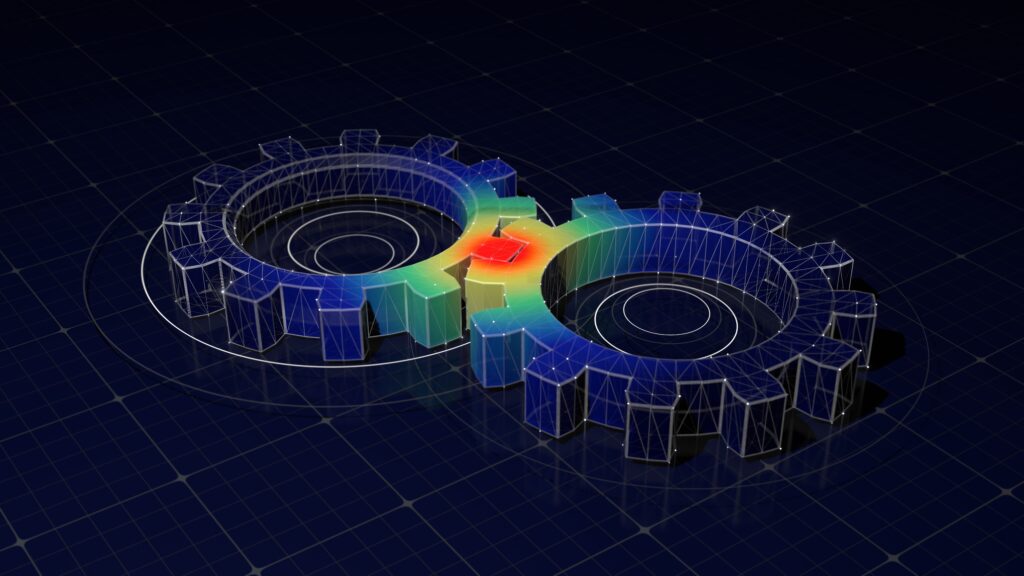
Finite Element Method
Coming Soon
Evaluating design variations of a product or process by simulating physical phenomena in a controlled virtual environment.
Our Areas of Focus
Business
Development
Hospitality

Retail

Manufacturing

Engineering
Design
Chemical

Environmental

Mechanical


Recent Work
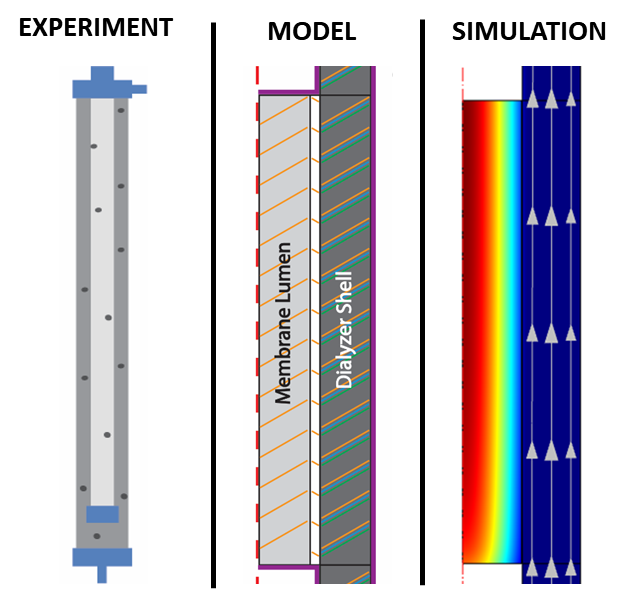
Nano-enhanced dialytic fluid purification is a new application of adsorptive nanomaterials that aims to revolutionize dialysis. In this application, a 2D model of the experimental process was created in COMSOL Multiphysics, a finite element method software, to study the process theoretically using computational fluid dynamics (CFD).
Analysis of the CFD model showed close agreement with experimental results and additional insights into the progress and mechanisms of the adsorption process were revealed. The authors and principal investigator were able to estimate differences in performance of their process using different conditions and also estimate changes in other parameters that were previously difficult to measure by experiment alone. The CFD modeling was verified by independent reviewers of the journal ACS Omega.

Start Your Computational Discovery Journey Today
Schedule a consultation to see how our computational engineers can help you streamline design, reduce costs, and improve operational efficiency.